Rotator Cuff Injuries
Rotator cuff injuries are common causes of shoulder pain and dysfunction, especially in older adults and overhead athletes. They range from partial to full-thickness tears involving one or more of the four rotator cuff muscles: supraspinatus, infraspinatus, subscapularis, and teres minor. Management depends on tear size, chronicity, tendon quality, and functional demand. While many tears are repairable, some chronic or massive tears become irreparable due to tendon retraction and muscle atrophy. Treatment aims to restore shoulder biomechanics, reduce pain, and regain function, using options from direct repair to tendon transfers or reconstruction.
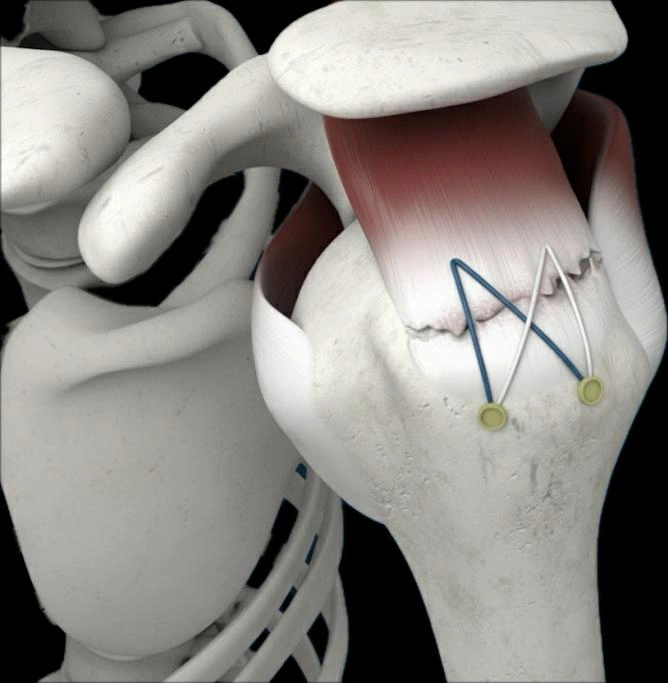
Repairable Cuff Injuries
Repairable tears involve good quality tissue and minimal retraction, allowing anatomical reattachment of the tendon to the bone. Arthroscopic or mini-open techniques are used based on the tear configuration and surgeon’s expertise. Early repair offers the best outcomes in terms of pain relief and function, especially in active individuals. Rehabilitation focuses on protecting the repair, followed by gradual strengthening.
Subscapularis Repair
The subscapularis is the largest and most powerful rotator cuff muscle, providing internal rotation and anterior shoulder stability. Tears can be isolated or part of massive cuff injuries. Arthroscopic repair involves reattaching the tendon to the lesser tuberosity using anchors. Early diagnosis and repair are critical as delayed cases may lead to retraction, fatty infiltration, and stiffness. Restoring subscapularis integrity is essential for shoulder function and is often combined with biceps tenotomy or tenodesis due to the proximity of the biceps pulley.
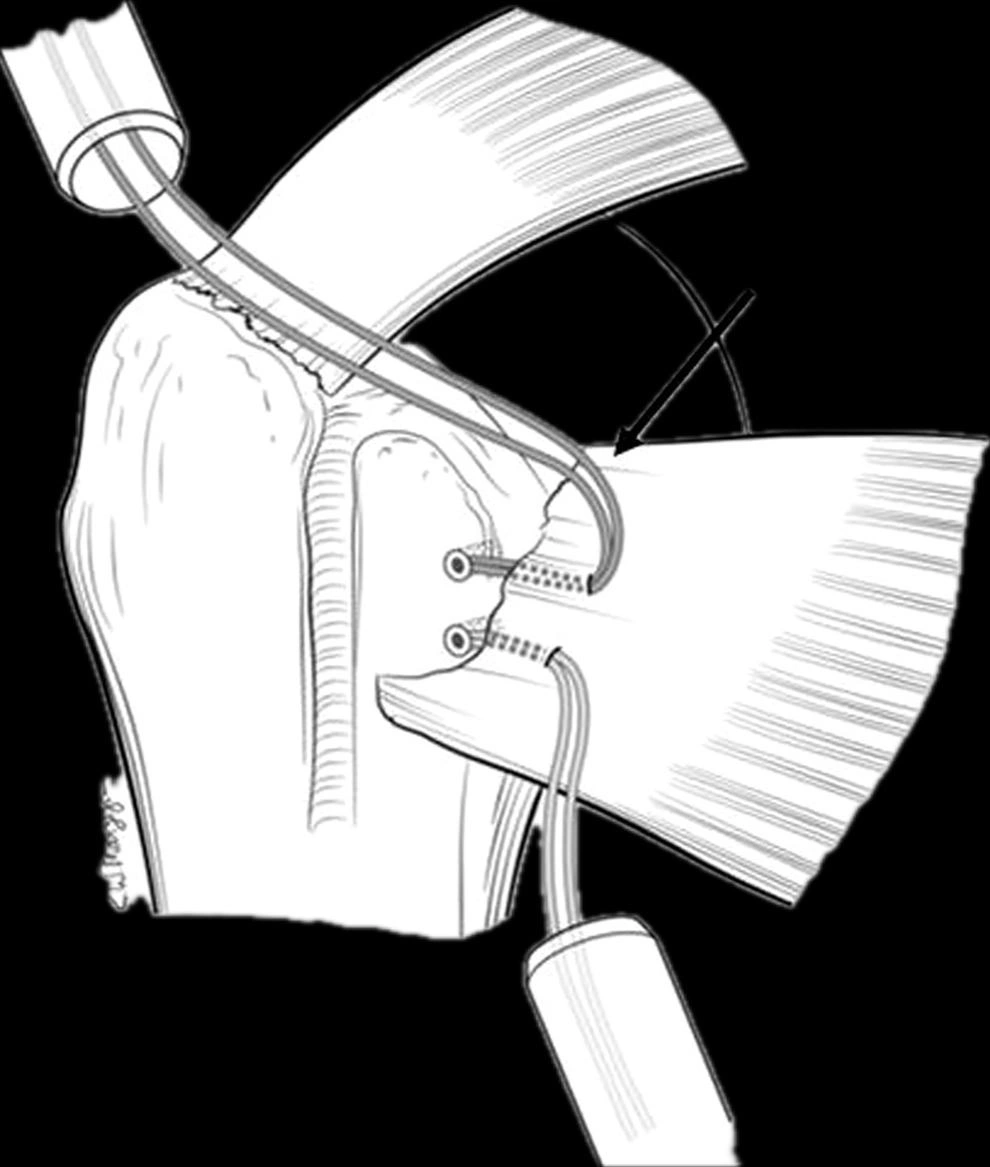
Supraspinatus Repair
The supraspinatus is the most commonly torn rotator cuff tendon, especially in degenerative tears. It is responsible for initiating shoulder abduction. Arthroscopic repair reattaches the tendon to the greater tuberosity using suture anchors in a single or double-row technique. Success depends on early intervention, tendon quality, and adherence to post-operative protocols. If left untreated, a supraspinatus tear can enlarge or lead to rotator cuff arthropathy. Pain relief and functional recovery are generally excellent in well-executed repairs with adequate rehabilitation.
Infraspinatus Repair
The infraspinatus contributes to external rotation and posterior shoulder stability. Tears may be isolated or associated with supraspinatus injuries. Infraspinatus tears can lead to weakness, pain during overhead motion, and posterior shoulder discomfort. Arthroscopic repair is effective when the tendon is mobile and not severely degenerated. Posterior delamination and articular-side tears are common patterns. A successful repair restores strength and stability, particularly in athletes or manual laborers. Repair may also reduce the risk of progression to irreparable tears and rotator cuff arthropathy.
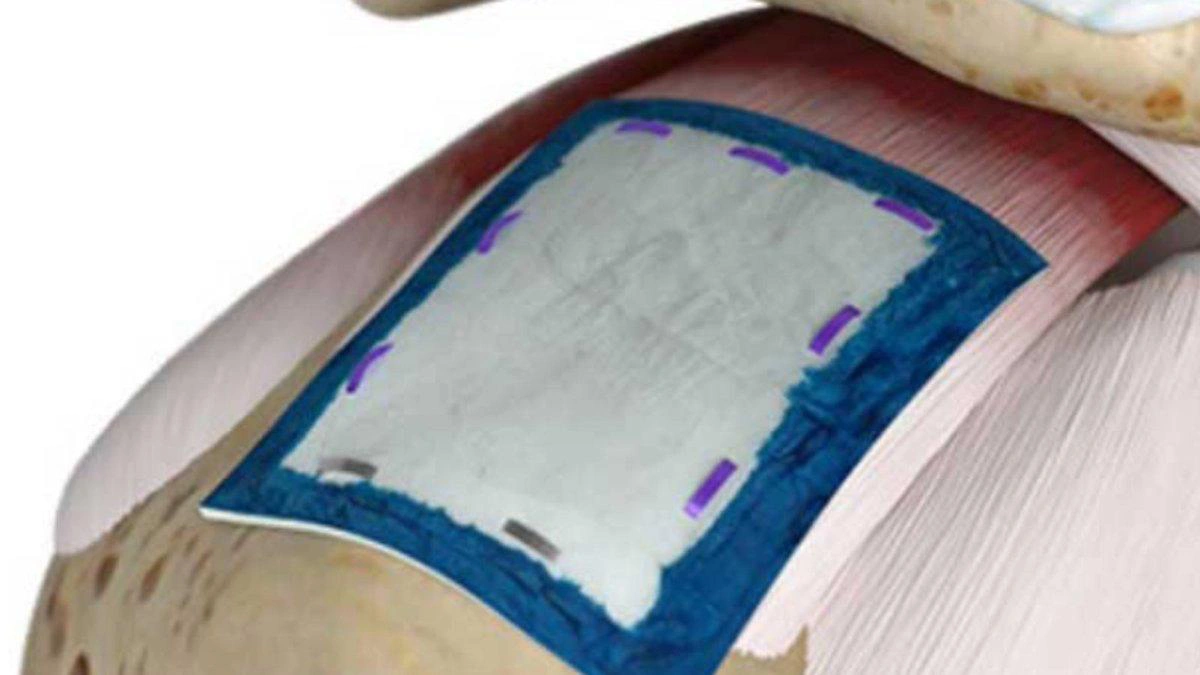
Biological augments (Patch)
When the tissue quality is poor, but repairable, once the cuff is repaired, biological augments / patches can be placed over the repaired cuff, which later helps healing, and replaced the the partially torn or poor quality tendon into a thick and robust tendon within about 6 months.